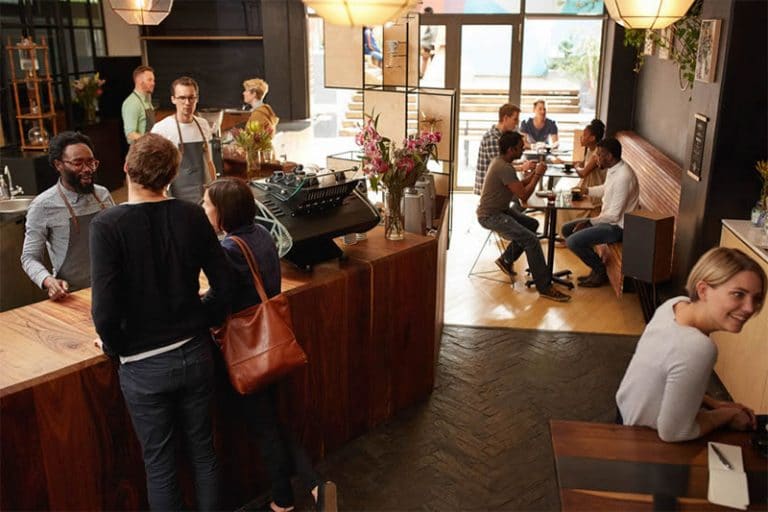
When diners walk into a restaurant and can see straight into the kitchen, something shifts. There’s an immediate sense of connection, a feeling that they’re part of the action rather than just waiting for a plate to arrive. Open concept dining has become one of the most talked-about trends in restaurant design, and for good reason. It promises transparency, energy, and a unique guest experience. But is it the right choice for every establishment? We’ve worked on countless restaurant builds over the years, and we can tell you that the decision isn’t as straightforward as it might seem. Let’s break down the real pros and cons so you can make an informed choice for your next project.
What Is Open Concept Restaurant Design?
Open concept restaurant design eliminates the traditional barriers between the kitchen and dining area, creating a seamless visual connection between where food is prepared and where it’s enjoyed. Instead of walls, swinging doors, or service windows hiding the back-of-house operations, guests can watch chefs at work, see flames dance over grills, and witness their meals being plated with care.
This design approach can take many forms. Some restaurants opt for fully exposed kitchens where every prep station is visible. Others choose a partial open concept, featuring a chef’s counter or exhibition cooking station while keeping certain prep areas tucked away. The level of openness depends on the cuisine, service style, and overall brand vision.
At its core, open concept dining is about transparency and theater. It transforms cooking from a hidden process into live entertainment. Think of popular concepts like hibachi grills, pizza ovens positioned front and center, or upscale tasting menus where chefs interact directly with diners. These layouts turn the meal into an experience that goes beyond what’s on the plate.
Advantages of Open Concept Dining Spaces
Enhanced Customer Experience and Transparency
Today’s diners want more than good food, they want an experience. Open concept layouts deliver exactly that. When guests can watch their pasta being hand-rolled or see a pastry chef torching crème brûlée, they become invested in the meal before the first bite. This visual engagement creates anticipation and adds perceived value to every dish.
Transparency also builds trust. In an era where food sourcing and preparation practices matter more than ever, letting customers see exactly how their food is handled speaks volumes. There’s no mystery about cleanliness or ingredient quality when everything happens in plain view. This openness can turn skeptics into loyal regulars.
Beyond trust, there’s simple entertainment value. An open kitchen adds energy and movement to the dining room, creating a dynamic atmosphere that closed-off designs simply can’t match. The sizzle of a pan, the choreographed dance of line cooks, these moments make dining memorable.
Operational and Branding Benefits
From an operational standpoint, open kitchens can actually improve staff performance. When cooks know they’re being watched, they tend to stay more organized, keep stations cleaner, and maintain higher standards throughout service. It’s a natural accountability mechanism that benefits the entire operation.
Branding advantages shouldn’t be overlooked either. An open concept design makes a bold statement about your restaurant’s identity. It says, “We have nothing to hide.” For concepts built around artisanal preparation, farm-to-table values, or culinary craftsmanship, this transparency reinforces the brand message at every turn.
There are also practical benefits for communication. With fewer physical barriers, front-of-house and back-of-house teams can coordinate more easily. Servers can gauge when dishes are almost ready without constantly checking in, and managers have better sightlines to address issues quickly.
Disadvantages and Challenges to Consider
Open concept dining isn’t without its headaches. Noise is often the biggest complaint. Kitchens are loud, the clatter of pans, the whir of ventilation systems, the shouts of “behind.” and “ordering.” Without walls to absorb sound, that noise floods directly into the dining room. For romantic dinners or business meetings, this can be a serious drawback.
Ventilation becomes significantly more complex and expensive with open layouts. Cooking generates smoke, grease, steam, and odors that must be managed aggressively to keep the dining area comfortable. We’ve seen projects where ventilation upgrades alone added tens of thousands to the construction budget. Proper hood systems, air curtains, and makeup air units are non-negotiable, and they require careful planning from the start.
There’s also the aesthetic pressure. When your kitchen is on display, every element needs to look good. That means investing in attractive equipment, maintaining pristine organization, and ensuring staff appearance meets higher standards. The behind-the-scenes chaos that’s acceptable in a hidden kitchen becomes unacceptable when guests are watching.
Staff comfort and privacy take a hit too. Some cooks thrive under observation, but others find it stressful. The constant visibility can lead to burnout, and it leaves no room for the small mistakes that are part of any busy service. Training and hiring decisions need to account for this added pressure.
Finally, space constraints can complicate open designs. You’ll need adequate square footage to create proper separation between cooking and dining while maintaining comfortable seating. In tight spaces, achieving the right balance often means sacrificing table count, a real cost that impacts revenue.
How to Decide if Open Concept Is Right for Your Restaurant
Start with your concept and target audience. A fast-casual pizza joint thrives with an open kitchen, it’s part of the appeal. But a fine dining destination focused on intimate conversation might suffer from the added noise and activity. Consider what experience you’re really trying to create.
Budget reality matters too. Open concept designs typically cost more upfront due to ventilation requirements, higher-quality finishes for visible areas, and potentially more complex construction. If your budget is tight, you might consider a hybrid approach: partial visibility through a pass window or chef’s counter rather than full exposure.
Think honestly about your team. Do you have staff who will embrace being on stage, or will the pressure create turnover problems? The human element often gets overlooked in design discussions, but it determines whether an open kitchen actually functions well day-to-day.
We always recommend working with experienced commercial contractors who understand the unique challenges of restaurant construction. At Image Builders, we’ve completed everything from coffee shop build-outs to full restaurant renovations across Denver, and we know how critical it is to get ventilation, acoustics, and layout right from the planning phase. The decisions you make during design directly impact how your restaurant operates for years to come.
Consider your menu too. Cuisines with heavy smoke, strong odors, or messy prep work may not be ideal candidates for full visibility. Sometimes the magic of a dish is best left mysterious.
Conclusion
Open concept dining can transform a restaurant from a place to eat into a destination experience. But it’s not a one-size-fits-all solution. The right choice depends on your concept, budget, team, and the atmosphere you want to create. Weigh the trade-offs carefully, plan for the technical challenges, and partner with a construction team that can help you navigate the complexities. When done right, an open kitchen becomes your restaurant’s greatest asset. When done poorly, it becomes your biggest headache.