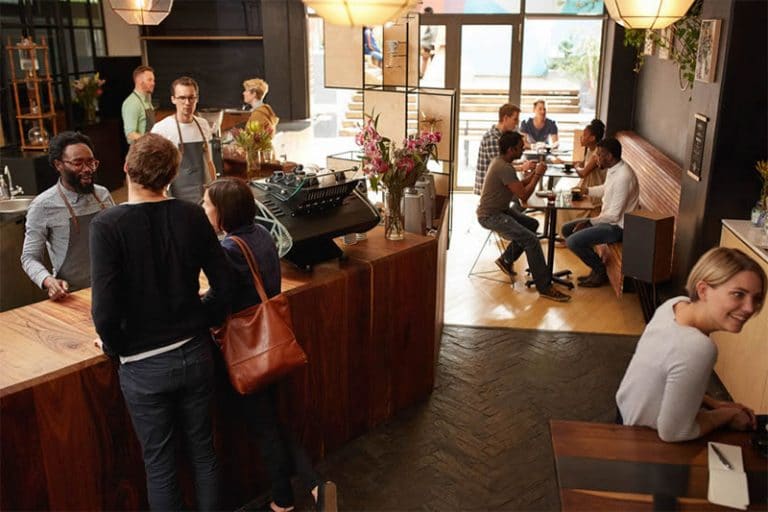
Opening a restaurant in Denver is exciting, but before you start dreaming about menu items and grand opening nights, there’s the not-so-small matter of actually building out your space. A restaurant build-out in Denver involves navigating city permits, managing tight budgets, coordinating contractors, and ensuring every square foot meets health and safety codes. It’s a lot. And if you’ve never done it before, the process can feel overwhelming.
We’ve helped countless restaurant owners transform empty shells (and some pretty questionable former retail spaces) into thriving dining establishments across the Denver metro area. Along the way, we’ve learned what works, what doesn’t, and where projects tend to go sideways. In this guide, we’ll walk you through the essential steps to plan your restaurant build-out, from understanding Denver’s permitting landscape to assembling the right team and getting through final inspections. Let’s dig in.
Understanding Denver’s Permitting and Zoning Requirements
Before you sign a lease or hire a contractor, you need to understand what Denver actually allows, and requires, for restaurant construction. The city’s permitting and zoning landscape can be tricky, and getting it wrong costs time and money.
Denver’s zoning codes determine where restaurants can operate and what type of dining establishment is permitted in specific areas. Mixed-use developments, stand-alone buildings, and spaces within retail centers all come with different requirements. You’ll want to verify that your intended location is zoned for restaurant use, and if you’re planning to serve alcohol, check whether you’re within the required distance from schools or churches.
The permitting process itself involves multiple departments. You’ll typically need a building permit, electrical permit, plumbing permit, and mechanical permit at minimum. For restaurants, add a fire suppression system permit and food service establishment license to the list. Denver’s Development Services handles most of these, but you’ll also work with Denver Fire Department for hood suppression systems and the Denver Department of Public Health & Environment (DDPHE) for food service licensing.
One thing we’ve seen trip up restaurant owners repeatedly: underestimating permit timelines. Depending on the complexity of your project, permit review can take anywhere from a few weeks to several months. Plan accordingly, and don’t assume you can start construction until all approvals are in hand.
Health and Safety Codes for Restaurant Spaces
Denver’s health and safety codes for restaurants are comprehensive, and non-negotiable. The DDPHE inspects and licenses all food service establishments, and they take compliance seriously.
Your build-out must address proper ventilation systems, grease trap installation, handwashing stations, and food storage areas that meet temperature and sanitation requirements. The kitchen layout needs to help proper workflow that prevents cross-contamination. Flooring must be commercial-grade and easy to clean, no porous materials allowed in food prep areas.
ADA compliance is another critical consideration. Your restaurant must be accessible to guests with disabilities, which affects everything from entrance design to restroom configuration to table spacing. We’ve seen projects face costly redesigns because ADA requirements weren’t factored in from the start.
Working with a contractor experienced in Denver restaurant construction makes navigating these codes significantly easier. They’ll know what inspectors look for and can help you avoid common mistakes that lead to failed inspections and delays.
Setting Your Budget and Timeline
Let’s talk numbers. Restaurant build-outs in Denver typically range from $100 to $300 per square foot, though that number can climb higher for upscale concepts or spaces requiring significant infrastructure upgrades. A 2,500 square foot restaurant might cost anywhere from $250,000 to $750,000 or more to build out completely.
Your budget should account for several major categories:
- Permits and fees: Plan for $5,000 to $15,000 depending on project scope
- Architectural and design services: Typically 8-15% of construction costs
- Construction and labor: The bulk of your budget
- Kitchen equipment: Often $50,000 to $200,000 or more
- Furniture, fixtures, and décor: Varies widely based on concept
- Contingency fund: Always include 10-15% for unexpected costs
That contingency fund isn’t optional. We’ve yet to see a restaurant build-out that didn’t encounter at least one surprise, whether it’s outdated electrical systems, plumbing issues hidden behind walls, or material delays. Having a buffer protects you from scrambling for additional financing mid-project.
As for timeline, a typical Denver restaurant build-out takes 3 to 6 months from permit approval to completion. More complex projects or those involving significant structural changes can take longer. Build in extra time for permit processing on the front end and inspections throughout the construction phase.
One strategy that helps: develop a detailed estimate and construction plan before breaking ground. Right out of the gate, you should work with a dedicated expert to map out every phase, identify potential challenges, and establish realistic milestones. This upfront planning pays dividends in reduced stress and fewer costly change orders down the road.
Choosing the Right Location and Space
Location matters for any business, but for restaurants, it can make or break you. Beyond foot traffic and visibility, you need to think about what it will actually take to turn a given space into a functional restaurant.
Second-generation restaurant spaces, locations that previously housed another restaurant, often provide significant cost savings. The kitchen infrastructure, ventilation systems, and grease traps may already be in place. But, you’ll want to verify that existing systems meet current codes and suit your specific concept. A former sandwich shop’s kitchen setup won’t necessarily work for a full-service steakhouse.
First-generation spaces (those that have never been restaurants) require more extensive build-outs but offer a blank canvas. You’re not constrained by someone else’s layout decisions. The trade-off is higher upfront costs for installing gas lines, ventilation hoods, grease interceptors, and other restaurant-specific infrastructure.
Consider the neighborhood carefully. Denver’s dining scene varies significantly from RiNo to Cherry Creek to the suburbs. Your concept should align with the local demographic and complement, not directly compete with, nearby restaurants.
Evaluating Existing Infrastructure
Before committing to a space, conduct a thorough infrastructure assessment. This goes beyond a casual walkthrough, you need to understand exactly what you’re working with.
Key infrastructure considerations include:
- Electrical capacity: Restaurants require substantial power for kitchen equipment, refrigeration, lighting, and HVAC. Many older spaces need panel upgrades or additional circuits.
- Plumbing: Check for adequate water supply lines, proper drainage, and grease trap capacity. Upgrading plumbing in an existing building gets expensive fast.
- HVAC and ventilation: Restaurant kitchens generate serious heat and require proper makeup air systems. Existing HVAC may need significant modification.
- Gas lines: If your kitchen requires gas appliances, verify that adequate gas service exists or can be installed.
- Structural considerations: Open kitchen concepts or layout changes may require load-bearing wall modifications.
We always recommend bringing a contractor or engineer to evaluate a space before signing a lease. They can identify potential deal-breakers and help you estimate true build-out costs. It is not within our vocabulary to tell you that something cannot be done, but we will tell you exactly what it takes to make it work.
Assembling Your Build-Out Team
Your build-out team can make or break your project. Surrounding yourself with experienced professionals who understand Denver’s restaurant construction landscape is one of the smartest investments you can make.
At minimum, you’ll need:
A general contractor with restaurant experience is essential. Restaurant build-outs have unique requirements that general commercial construction doesn’t always address, from hood installation to health code compliance. Look for a contractor who has completed multiple restaurant projects in Denver and understands local permitting processes. At Image Builders, we specialize in retail and restaurant construction across Denver, including both stand-alone locations and mixed-use developments. We’ve transformed everything from empty shells to former retail spaces into successful restaurant operations.
An architect or designer who specializes in restaurant spaces understands the workflow requirements of commercial kitchens and can create layouts that satisfy both health codes and operational efficiency. They’ll also help you navigate ADA compliance and create the aesthetic vision for your dining room.
A kitchen consultant or equipment supplier can help you select the right equipment for your menu and ensure proper placement for efficiency and code compliance.
An expediter (optional but valuable) specializes in navigating Denver’s permitting process and can significantly speed up approvals.
When vetting contractors, ask about their experience with Denver’s inspection process, their relationships with subcontractors, and their approach to timeline and budget management. Request references from recent restaurant projects and actually call them.
Communication style matters too. You want a team that provides transparent communication through every phase and proactively addresses construction challenges as they arise, not one that leaves you guessing about project status or surprises you with change orders.
Designing a Functional and Compliant Layout
Great restaurant design balances form and function. Your space needs to look amazing, operate efficiently, and satisfy every applicable code, all while staying within budget.
Start with the kitchen. This is where most restaurants get it right or wrong. Your kitchen layout should support the natural workflow of food preparation: receiving and storage, prep areas, cooking stations, plating, and service. Cross-contamination pathways must be eliminated. Handwashing stations need to be accessible at key points. And everything must be positioned for efficient movement during a busy service.
Front-of-house design affects both customer experience and operational efficiency. Consider traffic flow from entrance to host stand to tables to restrooms. Server stations should be strategically placed to minimize steps while remaining unobtrusive. Bar placement, if applicable, needs to balance visibility with functionality.
Here’s something often overlooked: storage. Restaurants require significant dry storage, walk-in refrigeration, and sometimes walk-in freezers. These spaces need to be easily accessible from receiving areas and the kitchen without disrupting dining room flow.
Don’t forget back-of-house support spaces, employee break areas, manager offices, and storage for cleaning supplies and paper goods. These areas are easy to shortchange when you’re focused on the customer-facing spaces, but your staff needs adequate facilities too.
Throughout the design process, keep Denver’s codes front of mind. ADA-compliant restrooms, proper egress pathways, fire suppression coverage, and health department requirements should all be integrated from the beginning, not retrofitted later. Working with professionals who understand these requirements helps ensure your design translates smoothly into a compliant, functional space.
Navigating the Construction and Inspection Process
With permits in hand and your team assembled, construction begins. This phase requires careful coordination, regular communication, and patience.
Most restaurant build-outs follow a predictable sequence: demolition (if needed), rough-in work (framing, electrical, plumbing, HVAC), inspections, finishing work (drywall, flooring, painting), equipment installation, and final inspections. Each phase has its own inspection requirements, and work cannot proceed until inspections pass.
Denver inspectors will check your project at multiple points:
- Rough framing inspection
- Electrical rough-in inspection
- Plumbing rough-in inspection
- Mechanical rough-in inspection
- Fire suppression system inspection
- Final building inspection
- Health department inspection (before opening)
Failed inspections mean delays, so quality work matters. An experienced contractor will know what inspectors look for and ensure work is done right the first time.
Stay involved throughout construction, but avoid micromanaging. Regular site visits and weekly progress meetings keep you informed without disrupting workflow. Your contractor should provide transparent updates and flag any issues or potential delays immediately.
Expect the unexpected. Material delays happen. Subcontractor schedules shift. Hidden problems emerge once walls come down. A good contractor manages these challenges without derailing the overall timeline, but flexibility on your part helps too.
As construction wraps up, coordinate equipment delivery and installation carefully. Commercial kitchen equipment often has long lead times, so orders should be placed early. Installation typically happens in the final construction phase, after flooring is complete but before final inspections.
The health department inspection is your final hurdle before opening. They’ll verify that all food safety requirements are met, equipment is properly installed and functioning, and your staff has appropriate food handler certifications. Pass this inspection, and you’re ready to welcome your first guests.
Conclusion
Planning a restaurant build-out in Denver requires navigating permits, budgets, timelines, and a whole lot of details. It’s complex, but it’s absolutely manageable with the right preparation and team.
Start by understanding Denver’s permitting and zoning requirements. Build a realistic budget with contingency funds. Choose your location carefully, evaluating existing infrastructure before committing. Assemble experienced professionals who know Denver’s restaurant construction landscape. Design for both function and compliance. And stay engaged throughout construction while trusting your team to execute.
The restaurant industry is competitive, and your build-out sets the foundation for everything that follows. A well-planned, efficiently executed construction project puts you in a stronger position to focus on what really matters: creating an amazing dining experience for your guests.
At Image Builders, we’ve helped restaurant owners across Denver transform their visions into reality. From concept to completion, our team works closely with owners, architects, and designers to maximize every dollar and meet launch dates. If you’re planning a restaurant build-out in Denver, we’d love to collaborate with you and help bring your dream space to life. Take the first step and get in touch, we’re here to discuss your ideas and needs.