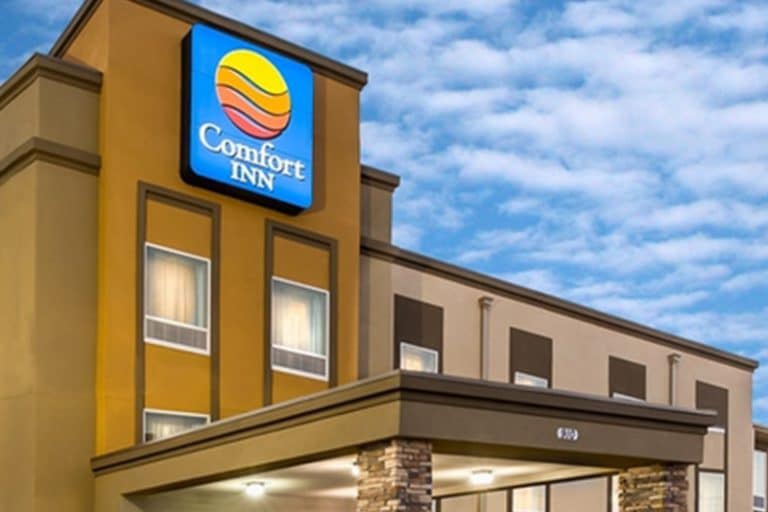
Building a hotel is no small feat. Whether you’re renovating an existing property, adding new rooms, or breaking ground on an entirely new location, the process is filled with complexities that can derail even the most well-intentioned projects. From budget overruns to labor shortages, the hospitality construction industry presents a unique set of hurdles that require expert navigation.
At Image Builders, we’ve seen firsthand how hotel construction challenges can snowball when left unaddressed. The good news? With the right planning, communication, and construction management partner, these obstacles don’t have to define your project. We’ve put together this guide to walk you through the most common hotel construction challenges and, more importantly, how to overcome them. Let’s immerse.
Budget Overruns and Financial Planning
If there’s one challenge that keeps hotel developers up at night, it’s budget overruns. Hotel construction requires deftly balancing an attractive front of house with an efficient back-of-house operation, and achieving both within a set budget is trickier than it sounds. The final product needs to provide guests with plenty of wow factor and a unique experience that drives repeat bookings. But it also must help maximize your average daily rates and annual revenue.
So where does the money go wrong? Unexpected site conditions, design changes mid-project, and underestimating material costs are common culprits. We’ve also seen projects get derailed when owners don’t account for the true cost of compliance with local building codes or brand standards.
The reality is that achieving your goals can quickly lead to cost and time overruns if you’re not working with a team that understands hospitality construction inside and out.
Strategies for Cost Control
Controlling costs starts long before the first shovel hits the ground. Here’s what we recommend:
- Lock in detailed estimates early. Work with your general contractor to develop comprehensive cost projections during the preconstruction phase. This includes everything from structural materials to finishes, fixtures, and furniture.
- Build contingencies into your budget. A good rule of thumb is allocating 5-10% of your total budget for unexpected expenses. Trust us, you’ll be glad you did.
- Choose a transparent construction partner. At Image Builders, we believe that successful construction projects require open and honest communication on both sides. We’ll keep you informed of costs in real time, so there are no surprises.
- Value engineer without sacrificing quality. There are almost always opportunities to reduce costs without compromising the guest experience. We work closely with clients to identify where savings make sense and where cutting corners would be a mistake.
When you partner with an experienced construction management team, you gain someone in your corner who can provide equal footing during negotiations, bidding, and construction. Our experience and insight enable us to excel at maximizing your investment and profitability.
Supply Chain Disruptions and Material Sourcing
Supply chain issues have become a persistent headache for the construction industry in recent years. For hotel projects, the stakes are even higher. Specialty finishes, custom furniture, imported tiles, and high-end fixtures can all face extended lead times, sometimes stretching six months or longer.
And it’s not just about delays. Material costs can fluctuate dramatically, throwing your budget into disarray if you haven’t planned accordingly. Steel, lumber, and specialty items like low-E glass have all seen significant price swings over the past few years.
So how do we tackle this challenge? First, we start sourcing materials as early as possible in the design phase. The earlier you can lock in pricing and delivery timelines, the better positioned your project will be. We also maintain strong relationships with suppliers across the Denver region and beyond, which gives us more flexibility when standard channels get backed up.
Another strategy we employ is identifying alternative materials that can achieve the same aesthetic and performance goals at lower cost or with shorter lead times. This isn’t about compromising your vision, it’s about being smart and adaptable when market conditions shift.
Finally, we always recommend ordering critical materials with buffer time built in. If a shipment arrives late, your project shouldn’t grind to a halt. Proper planning means your schedule can absorb minor delays without major consequences.
Managing Skilled Labor Shortages
Finding skilled tradespeople has become one of the most pressing hotel construction challenges facing the industry today. Electricians, plumbers, HVAC technicians, and finish carpenters are all in high demand, and competition for their services is fierce.
For hotel projects, this challenge is compounded by the complexity of the work involved. Hotels require specialized expertise in areas like commercial kitchen installations, sophisticated HVAC systems, fire suppression, and accessibility compliance. You can’t just hire any crew and expect quality results.
We’ve navigated labor shortages on numerous projects by building long-term relationships with trusted subcontractors who prioritize our work. When you’re a reliable partner who pays on time and treats workers with respect, you get moved to the front of the line.
We also advocate for realistic scheduling that accounts for current labor market conditions. Rushing a timeline when crews aren’t available doesn’t help anyone, it just leads to quality issues, safety concerns, and frustrated teams.
Another approach we take is sequencing work strategically. By carefully coordinating when different trades come on site, we can maximize productivity and reduce bottlenecks. This means electricians aren’t waiting around for framers, and finish carpenters aren’t stepping over plumbers to do their work.
The bottom line? Labor shortages are real, but they don’t have to derail your project. With proactive planning and the right network of skilled professionals, we can keep your hotel construction on track.
Navigating Regulatory Compliance and Permits
Hotel construction comes with a maze of regulations, codes, and standards that must be followed to the letter. We’re talking about fire safety requirements, ADA accessibility, health department regulations, zoning restrictions, and, if you’re building a branded property, franchise design standards that can be incredibly specific.
In Denver and throughout Colorado, local permitting processes add another layer of complexity. Timelines vary by jurisdiction, and requirements can change without much notice. A missed permit or failed inspection can add weeks to your schedule and thousands to your budget.
This is where experience really matters. At Image Builders, we’ve managed hotel construction projects across the Denver metro area, and we understand the local regulatory landscape. We know which jurisdictions move quickly, which ones require extra attention, and how to prepare documentation that doesn’t get sent back for revisions.
We also stay current on building codes and industry standards, so we can anticipate compliance requirements before they become problems. Whether it’s updated energy efficiency standards, new accessibility guidelines, or changes to fire suppression requirements, we keep our finger on the pulse.
For renovation projects, regulatory challenges can be especially tricky. Older properties may have been built to codes that are no longer current, and upgrades can trigger the need for broader compliance improvements. We’ll help you understand what’s required and develop a strategy that meets regulations without blowing your budget.
Timeline Delays and Project Scheduling
Time is money in hotel construction, literally. Every day your property isn’t open, you’re losing potential revenue. And for renovations at operating hotels, delays can mean extended disruption to guests and staff.
Unfortunately, timeline delays are one of the most common hotel construction challenges. Weather events, material delays, labor shortages, design changes, and permitting issues can all push your opening date back. The question isn’t whether you’ll face obstacles, it’s how you’ll respond when they arise.
Effective scheduling starts with realistic planning. We’ve seen projects get into trouble because timelines were set based on best-case scenarios rather than likely outcomes. We prefer to build schedules that account for potential setbacks, so when something does go wrong, we have room to recover.
We also use detailed project management tools to track progress against milestones. This gives us early warning when tasks are falling behind schedule, so we can take corrective action before small delays become big problems.
Coordinating Stakeholder Communication
One of the biggest contributors to timeline delays is poor communication among stakeholders. Hotel projects typically involve owners, developers, architects, designers, brand representatives, general contractors, subcontractors, and sometimes lenders or investors. When all these parties aren’t on the same page, decisions get delayed and work stalls.
We believe transparent communication is essential to keeping projects on track. At Image Builders, we help regular check-ins with all stakeholders, provide detailed progress reports, and proactively flag issues before they escalate. Our team will also address any construction challenges that might come up along the way, before they become crises.
When everyone knows what’s happening and what’s expected of them, decisions happen faster and work flows more smoothly. It sounds simple, but effective communication is honestly one of the most powerful tools for keeping hotel construction on schedule.
Balancing Sustainability and Design Requirements
Today’s hotel guests increasingly expect sustainable practices, and many brands have established environmental standards that new properties must meet. At the same time, hotels need to deliver the aesthetic appeal and guest experience that drives bookings and justifies premium rates.
Balancing these priorities can be challenging. Sustainable materials and systems often come with higher upfront costs, even if they deliver long-term savings through reduced energy and water usage. And achieving certifications like LEED requires careful documentation and verification throughout the construction process.
We approach sustainability as an opportunity rather than a burden. Energy-efficient HVAC systems, LED lighting, low-flow plumbing fixtures, and smart building controls can all reduce operating costs while appealing to environmentally conscious travelers. In many cases, the investment pays for itself within just a few years.
On the design side, we work closely with architects and designers to identify sustainable options that don’t compromise aesthetics. Reclaimed wood, recycled materials, and locally sourced products can all contribute to a property’s unique character while supporting environmental goals.
For hotel owners considering sustainability investments, we always recommend looking at the full lifecycle cost rather than just the initial price tag. A more efficient mechanical system might cost more upfront, but the ongoing energy savings, and the marketing value of a greener property, often make it worthwhile.
Conclusion
Hotel construction challenges are real, but they’re far from insurmountable. Budget overruns, supply chain disruptions, labor shortages, regulatory hurdles, timeline delays, and sustainability requirements all demand careful attention and expert management. The difference between a project that succeeds and one that struggles often comes down to the team you choose to work with.
At Image Builders, we’re commercial contractors based in Denver, Colorado, with deep experience in hospitality construction. Whether you’re planning a renovation, adding rooms to an existing property, or building a new hotel from the ground up, we’ll control the budget and steer your project from start to a successful finish.
We believe that successful construction projects require open and honest communication on both sides, so that all issues are proactively resolved and project goals are achieved without time delays or budget overruns. If taking on a commercial construction project seems overwhelming, we’ll step into your role to provide equal footing during negotiations, bidding, and construction.
Ready to discuss your next hotel project? We’d love to hear about your vision and show you how we can help bring it to life.