Discover design-build advantages for retail construction: faster timelines, better budget control, and streamlined communication. Learn how this approach gets your store open sooner.
Design-Build Advantages for Retail Construction Projects
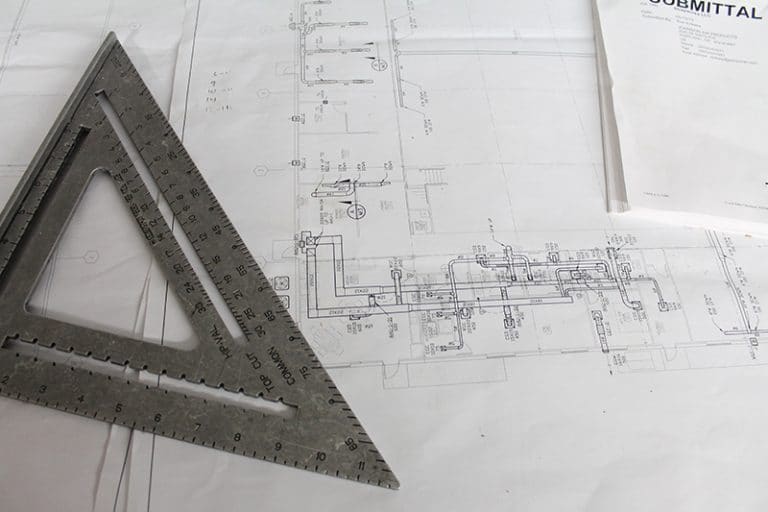
If you’re planning a retail construction project in the Denver metro area, you’ve probably heard about design-build. Maybe you’ve even wondered whether it’s worth the hype. Here’s the short answer: for retail and restaurant builds, it usually is.
At Image Builders, we’ve seen firsthand how the design-build approach transforms retail construction projects from stressful marathons into something that actually goes smoothly. Whether you’re opening a new storefront, renovating an existing space, or tackling tenant improvements, choosing the right delivery method can make or break your timeline, budget, and sanity.
Let’s break down what design-build really means, why it works so well for retail projects, and how it can help you get your doors open faster without blowing your budget.
Key Takeaways
- Design-build for retail construction projects consolidates design and construction under one team, simplifying communication and accountability.
- Retail projects can achieve up to 30% faster timelines with design-build by overlapping design and construction phases.
- Early contractor involvement enables accurate cost estimation and value engineering, helping retail businesses avoid budget overruns.
- A single point of contact eliminates finger-pointing between architects and contractors, keeping your project on track.
- Design-build’s collaborative approach allows real-time problem solving and flexibility to adapt to changing retail needs.
- For retail businesses with tight deadlines and budgets, design-build offers the speed, cost control, and quality needed to open on time.
What Is Design-Build Construction?
Design-build is a project delivery method that brings design and construction under one roof. Instead of hiring an architect to create plans, then separately bidding out the construction work to a general contractor, you work with a single team that handles both.
In a traditional approach, you might have an architect design your retail space, then hand those plans off to a contractor who has to interpret them and build accordingly. If something doesn’t work or costs more than expected, you’re stuck playing middleman between two separate companies.
With design-build, architects, engineers, and contractors work together from day one. They’re all on the same team, sharing the same goals, and accountable to you through a single contract.
This matters for retail construction because:
- One point of contact handles everything from concept to completion
- Design decisions factor in real construction costs and timelines from the start
- Changes and adjustments can happen quickly without finger-pointing between separate firms
- Your vision gets translated directly into a buildable plan by people who actually know how to build it
For business owners juggling a hundred other priorities, this simplicity is worth its weight in gold.
Streamlined Communication and Accountability
Here’s a scenario we’ve seen too many times: A business owner hires an architect to design their retail space. The plans look beautiful. Then the contractor starts building and discovers the HVAC system won’t fit in the ceiling plenum as drawn. Or the custom fixtures the architect specified are way over budget. Or the permit office has issues with the layout.
Now everyone’s pointing fingers. The architect says the contractor should have figured it out. The contractor says the architect should have known better. And you’re stuck in the middle, watching your timeline slip and your costs climb.
Design-build eliminates this problem by creating a single point of accountability. When one team owns both design and construction, there’s nobody to blame but themselves. That changes the dynamic completely.
Communication becomes direct and efficient. The people designing your space are sitting next to the people building it. When an issue comes up, they solve it together instead of sending formal change orders back and forth.
At Image Builders, we believe that successful construction projects require open and honest communication on both sides. We proactively address challenges as they come up, keeping you informed every step of the way. You’re not left wondering what’s happening or waiting for callbacks from three different companies.
Faster Project Delivery
Time is money in retail. Every day your store isn’t open is a day you’re not making sales. Every week your restaurant sits empty during construction is a week of lost revenue and wasted rent.
Design-build can cut project timelines significantly, sometimes by 30% or more compared to traditional methods. How? By overlapping phases that would normally happen one after another.
In a traditional project, you wait for design to be 100% complete before construction begins. With design-build, construction can start on foundational elements while design is still being finalized for other areas. Permitting can begin earlier. Materials can be ordered sooner.
For example, while your interior designer is finalizing the look of your customer-facing areas, your contractor can already be working on structural elements, electrical rough-in, and plumbing. This “fast-tracking” approach keeps everything moving forward.
Why This Matters for Retail Openings
Retail businesses often have hard deadlines: a holiday season launch, a lease commencement date, or a franchise agreement milestone. Missing these deadlines isn’t just inconvenient, it can be financially devastating.
When we work with retail clients, we understand that hitting your launch date isn’t optional. That’s why we develop detailed estimates and map out your construction plan right out of the gate, then work relentlessly to meet your deadline.
We’ve completed major projects like 37 7-Eleven renovations that were fast-tracked without sacrificing quality. These included quarry tile floors, interior décor, layout configuration, and ADA-compliant restrooms, all delivered on aggressive timelines.
Cost Savings and Budget Control
Let’s talk money. Construction costs have a way of spiraling out of control, and retail projects are no exception. You start with a number in mind, and somehow the final bill ends up 20% higher.
Design-build helps prevent this through early and accurate cost estimation. Because your contractor is involved from the design phase, they can provide realistic pricing before plans are finalized. If something is going to blow the budget, you find out before it’s too late to make changes.
This is called value engineering, and it’s built into the design-build process. The team constantly looks for ways to achieve your vision without unnecessary expense. Maybe there’s a less expensive material that looks just as good. Maybe a slight layout adjustment reduces structural costs. These opportunities get identified early when they’re easy to act on.
Budget Transparency You Can Count On
One of the biggest frustrations in construction is the surprise change order. You thought you agreed on a price, then suddenly there’s an additional invoice for something “unforeseen.”
With design-build, surprises are minimized because the same team owns the entire process. They’re not discovering problems in the design during construction, they’ve already accounted for them. And if something truly unexpected does come up, they have the flexibility to find solutions without the delays of coordinating between separate companies.
Our approach at Image Builders is simple: maximize every dollar and keep you informed about where your money is going. You’ll have complete peace of mind and confidence that your job will stay within budget, without sacrificing the quality your retail space needs to attract customers.
Enhanced Collaboration and Innovation
Retail construction isn’t just about building walls and installing fixtures. It’s about creating an experience for your customers. The layout needs to flow naturally. The lighting needs to highlight your products. The finishes need to reflect your brand.
This requires collaboration, not just between you and your contractors, but among everyone involved in the project. Architects, engineers, interior designers, and builders all need to work together to get the details right.
Design-build makes this collaboration natural instead of forced. When everyone is on the same team, ideas flow freely. The contractor might suggest a construction approach that opens up new design possibilities. The designer might propose something that the contractor knows how to execute efficiently. You benefit from their combined expertise.
Real-Time Problem Solving
Retail projects often need to adapt. Maybe you decide to change your product mix before opening. Maybe a fixture supplier has delays. Maybe you spot an opportunity to improve customer flow that wasn’t obvious in the original plans.
With design-build, these changes can be incorporated quickly. The team doesn’t need to go back to square one or negotiate new contracts. They simply adjust and keep moving.
We work closely with you and help transparent communication through every phase. If you have an idea, we want to hear it. If we see a better way to do something, we’ll bring it to you. That’s how you end up with a retail space that truly reflects your vision, not just a cookie-cutter build.
Why Retail Projects Benefit Most From Design-Build
Not every construction project is a great fit for design-build. But retail? Retail is practically made for it.
Here’s why:
Speed to market matters. Retail is competitive. Getting your store open before the busy season, before a competitor moves into the area, or before your lease costs eat into your startup capital can determine whether your business succeeds.
Budgets are tight. Most retail businesses operate on thin margins. You can’t afford a 20% cost overrun. You need accurate estimates and real cost control.
The space needs to work for customers. A retail environment isn’t just a building, it’s a sales tool. The design needs to drive traffic, encourage browsing, and make purchasing easy. That requires designers and builders who understand retail functionality, not just construction.
Flexibility is essential. Retail trends change fast. Your construction partner needs to adapt to changing requirements without derailing the project.
From Concept to Grand Opening
Whether you’re building a new restaurant from the ground up, renovating an existing retail space, or handling tenant improvements in a commercial property, design-build gives you a clear path from concept to grand opening.
You get a dedicated expert who understands your goals, coordinates every aspect of the project, and keeps everything on track. No more juggling multiple contracts or playing referee between your architect and contractor.
Conclusion
Retail construction has a lot riding on it. Your store or restaurant is the face of your business, the place where customers experience your brand and decide whether to come back. It needs to look right, function well, and open on time.
Design-build gives you the best chance of hitting all three targets. Faster timelines, better budget control, clearer communication, and a more collaborative process add up to a smoother project and a better final result.
At Image Builders, we’re commercial contractors serving Denver, Colorado and the entire metro area. We specialize in retail construction, restaurant builds, medical construction, and hotel projects. From tenant interior finishes to ground-up new construction, our team transforms your vision into reality while maximizing your investment.
We’d love to talk about your project. Whether you’re still in the early planning stages or ready to break ground, reach out to Image Builders for a conversation about how design-build can work for your retail construction project. We can’t wait to get started.
Frequently Asked Questions
What is design-build construction for retail projects?
Design-build is a project delivery method that brings design and construction under one contract with a single team. Architects, engineers, and contractors collaborate from day one, streamlining communication and accountability while eliminating the conflicts that often arise between separate firms in traditional construction.
How does design-build save time on retail construction?
Design-build can cut project timelines by 30% or more through phase overlapping. Construction can begin on foundational elements while design is finalized elsewhere, permitting starts earlier, and materials are ordered sooner—critical for meeting retail opening deadlines like holiday launches or lease dates.
Why is design-build better for retail budget control?
Design-build provides early and accurate cost estimation because contractors are involved from the design phase. Value engineering identifies cost-saving opportunities before plans are finalized, minimizing surprise change orders and helping retail businesses avoid the 20% cost overruns common in traditional construction.
What types of retail projects work best with design-build?
Design-build is ideal for new storefronts, restaurant builds, retail renovations, and tenant improvements. Projects requiring fast timelines, strict budget control, and customer-focused design benefit most—making it perfect for competitive retail environments where speed to market determines success.
How does design-build improve collaboration during construction?
With everyone on the same team, ideas flow freely between architects, engineers, and builders. Real-time problem solving replaces formal change orders, allowing quick adaptation to changing requirements, supplier delays, or design improvements without derailing the project timeline.
Is design-build more expensive than traditional construction methods?
Design-build typically costs less overall due to reduced change orders, fewer coordination delays, and early value engineering. While initial fees may seem comparable, the integrated approach prevents costly miscommunication and rework that inflate budgets in traditional design-bid-build projects.