Planning a medical office in Denver? Learn key design considerations from layout and compliance to ADA accessibility. Expert guidance for healthcare spaces.
Designing a Functional Medical Office in Denver
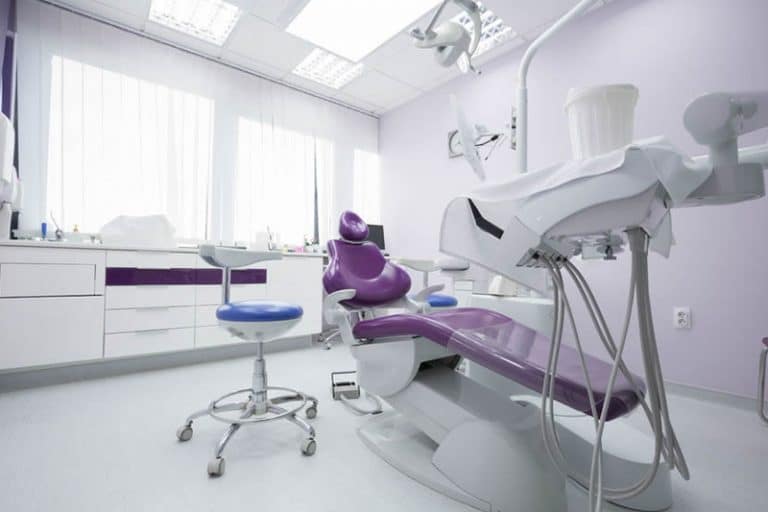
When you’re planning a medical office in Denver, the stakes are higher than your typical commercial build. You’re not just creating a workspace. You’re building an environment where patients will receive care, staff will spend long hours on their feet, and every square foot needs to serve a purpose. Get it wrong, and you’ll face frustrated employees, confused patients, and potentially costly compliance issues down the road.
At Image Builders, we’ve spent years helping healthcare providers across the Denver metro area design and build medical spaces that actually work. We’ve seen firsthand what happens when a clinic is built without proper planning versus when every detail is considered from the start. The difference is night and day.
This guide walks through the key considerations for designing a functional medical office in Denver, from navigating local building codes to creating spaces that serve both your staff and your patients well. Whether you’re building from scratch or renovating an existing space, understanding these elements will help you make smarter decisions throughout the process.
Key Takeaways
- Designing a functional medical office in Denver requires navigating complex regulations, including FGI guidelines and local building codes specific to healthcare facilities.
- Optimizing patient flow and layout efficiency minimizes wasted steps while creating intuitive spaces for both patients and staff.
- Material selection must prioritize infection control and durability—choose sterilizable, antibacterial surfaces that meet healthcare standards.
- Plan technology infrastructure early, including electrical capacity, data networks, and backup power, to avoid costly retrofits later.
- ADA compliance should be integrated from day one, with accessible parking, exam rooms, restrooms, and circulation paths throughout the facility.
- Partner with an experienced medical construction contractor who understands the unique demands of healthcare spaces in the Denver metro area.
Understanding Denver’s Unique Building Requirements
Denver isn’t just any city when it comes to construction requirements, and medical facilities face an extra layer of complexity. Before you start picking out paint colors or exam tables, you need to understand what you’re working with from a regulatory standpoint.
Medical office buildings in Denver fall under the International Building Code, which classifies them as “business-use” structures. That’s the baseline. But here’s where it gets more specific: if your facility bills Medicare or Medicaid, you’ll need to follow the Guidelines for Design and Construction of Outpatient Facilities established by the Facility Guidelines Institute (FGI). These guidelines cover everything from minimum room sizes to plumbing fixture requirements.
Denver also requires full plan reviews for regulated facilities undergoing new construction or extensive remodels. The city will verify compliance against the most recent building codes, so working with a contractor who knows these requirements inside and out isn’t optional. It’s essential.
Some key requirements you’ll encounter include:
- Fire safety systems specific to healthcare occupancy classifications
- Ventilation standards that differ from standard commercial spaces
- Electrical requirements for medical equipment and backup power
- Privacy standards under HIPAA that affect physical layout and sound transmission
- Infection control measures built into the design itself
The regulations aren’t there to make your life difficult. They’re designed to improve patient safety and privacy. That said, navigating them without experienced guidance can quickly become overwhelming. Our team at Image Builders handles compliance guidance as part of every medical build-out, taking that burden off your shoulders so you can focus on running your practice.
Optimizing Patient Flow and Layout Efficiency
Here’s something we’ve learned from building dozens of medical spaces: the layout makes or breaks the daily experience for everyone who walks through your doors. A well-designed medical office feels intuitive. Patients know where to go. Staff can move efficiently between tasks. Nobody’s constantly bumping into each other or getting lost.
Effective medical office design aligns your physical space with actual healthcare workflows. You want to think about how a patient moves through their visit, from check-in to checkout, and design around that journey. At the same time, your staff needs clear pathways between clinical areas, storage, and workstations.
The goal is to minimize wasted steps while maintaining appropriate separation between public areas and clinical spaces. We call this “working smart within your footprint.” Even in smaller tenant improvement projects, thoughtful layout planning can dramatically improve how your space functions.
Reception and Waiting Areas
Your reception area sets the tone for the entire patient experience. It’s the first thing people see, and it shapes their perception of your practice before they ever meet a clinician.
But reception isn’t just about aesthetics. It needs to function well too. Staff should have clear sight lines to the waiting area and entrance. There should be adequate seating without feeling cramped. And the space needs to comply with ADA accessibility standards, which we’ll cover more later.
A few practical considerations for reception design:
- Privacy at check-in: Patients don’t want to discuss their medical history where everyone can hear. Design your reception counter to allow for discreet conversations.
- Clear wayfinding: Signage and layout should make it obvious where patients need to go next.
- Comfortable seating options: Different patients have different needs. A mix of seating types, including options for larger patients or those with mobility challenges, shows you’ve thought about everyone.
- Natural light where possible: Denver gets over 300 days of sunshine. Use that to your advantage when you can.
We’ve built reception areas for practices of all sizes across the Denver area. One recent project included a reception area designed to accommodate both staff efficiency and the comfort of 20 daily visitors. The result was a warm, appealing space that worked well for everyone.
Exam Rooms and Clinical Spaces
Exam rooms are where the actual healthcare happens, so getting them right is critical. These spaces need to incorporate advanced mechanical systems, proper infection control measures, and enough room for clinicians to work comfortably with patients.
Room sizing and configuration should follow FGI guidelines, which specify minimum dimensions based on the type of care being provided. A primary care exam room has different requirements than an imaging room or a procedure space.
Beyond the basics, think about:
- Door placement and swing direction: This affects patient privacy and staff efficiency.
- Sink and handwashing station location: Infection control starts with easy access to proper hygiene facilities.
- Storage for supplies and equipment: Cluttered exam rooms slow everyone down.
- Patient comfort features: A place to put belongings, a comfortable exam table, appropriate lighting.
- Technology integration: Where will monitors, diagnostic equipment, and computers go?
Other clinical spaces we frequently build include procedure and blood draw rooms, testing laboratories, data storage rooms, and staff break rooms. Each has its own requirements, and they all need to work together as part of a cohesive facility.
Selecting Materials and Finishes for Healthcare Settings
Material selection in medical offices isn’t like choosing finishes for a standard commercial space. You can’t just pick what looks nice. Every surface needs to support infection control, stand up to heavy use, and meet regulatory standards.
According to FGI standards, materials must be sterilizable and/or antibacterial for disease control. The specific requirements depend on what services your practice provides. A dermatology clinic has different needs than a surgical center. A pediatric office faces different wear patterns than a physical therapy facility.
Some general principles apply across most medical settings:
Flooring: Needs to be seamless or have minimal seams where bacteria can hide. Should be easy to clean and resistant to staining from medical supplies. Many practices opt for commercial-grade vinyl or specialized healthcare flooring.
Wall finishes: High-traffic areas and clinical spaces typically require scrubbable paint or wall protection systems. Some areas may need antimicrobial surfaces.
Countertops: Nonporous materials like solid surface or quartz are popular choices because they’re easy to disinfect and resistant to damage from cleaning chemicals.
Cabinetry: Healthcare-grade cabinetry differs from standard commercial millwork. It needs to withstand frequent cleaning and may require specific edge treatments or hardware.
At Image Builders, we handle all interior finishes as part of our medical build-outs, from modern lighting to custom cabinetry, countertops, and plumbing fixtures. We work with healthcare-appropriate materials that look professional while meeting all necessary standards.
The upfront investment in quality materials pays off over time. Cheap finishes that need constant repair or replacement end up costing more in the long run, not to mention the disruption to your practice every time something needs fixing.
Integrating Technology and Infrastructure Needs
Modern medical offices run on technology. Electronic health records, digital imaging, patient check-in systems, telehealth capabilities. Your building’s infrastructure needs to support all of it reliably.
This goes way beyond just having enough electrical outlets. Medical offices require high-efficiency technology integration and specialized infrastructure to support clinical operations. Planning for this during the design phase is much easier and cheaper than retrofitting later.
Key infrastructure considerations include:
Electrical capacity: Medical equipment draws significant power. Your electrical system needs adequate capacity for current needs plus room to grow. Some equipment requires dedicated circuits.
Data and communications: A robust network infrastructure supports everything from patient records to diagnostic equipment. Plan for sufficient data drops in every room, plus wireless access points throughout the facility.
HVAC systems: Medical spaces often have specific temperature and humidity requirements. Some areas, like labs or procedure rooms, may need independent climate control.
Backup power: Depending on your practice type, you may need generator backup or UPS systems to protect critical equipment and data.
Specialized systems: Think about nurse call systems, security, and any practice-specific technology needs.
One thing we always discuss with clients is future-proofing. Technology changes fast, and a space that works today might feel outdated in five years. Building in flexibility, like conduit runs for future cabling or adequate electrical capacity for new equipment, makes it easier to adapt as your practice evolves.
Data storage deserves special mention. Secure, compliant data management is a major concern for healthcare providers, and your physical space plays a role in protecting patient information. That might mean dedicated server rooms with appropriate environmental controls and security, or it might mean ensuring your space supports secure cloud-based systems. Either way, it should be part of the planning conversation.
Addressing Accessibility and ADA Compliance
ADA compliance isn’t something you think about after the fact. It needs to be baked into your design from day one. Beyond being a legal requirement, accessible design is simply good practice. Your patients and staff deserve a space that works for everyone, regardless of physical ability.
Accessibility requirements affect nearly every aspect of medical office design:
Entrance and parking: Accessible parking spaces, ramp access, automatic doors, and adequate maneuvering space at entries.
Circulation paths: Corridors wide enough for wheelchairs, clear paths without obstructions, and accessible routes throughout the facility.
Restrooms: ADA compliant restrooms with required clearances, grab bars, and appropriate fixture heights. In medical settings, you may also need accessible shower facilities depending on your services.
Exam rooms: Adequate space for wheelchair users, adjustable exam tables, and accessible sinks and equipment.
Reception and waiting: Accessible service counters, seating options for people with mobility devices, and clear sight lines.
Signage: Proper visual contrast, raised characters, and Braille where required.
We’ve completed medical build-outs that included full ADA compliant bathrooms with showers, accessible reception areas, and exam rooms designed for patients with various physical needs. The key is thinking about accessibility as an integral part of good design, not as an afterthought or a box to check.
It’s worth noting that ADA sets minimum requirements. Many practices choose to exceed these minimums to better serve their patient populations. If you specialize in treating older patients or those with chronic conditions affecting mobility, for example, going beyond basic compliance makes good business sense.
Creating a Comfortable Environment for Staff and Patients
Compliance and functionality are essential, but they’re not the whole picture. The best medical offices also feel good to be in. They’re spaces where patients feel cared for and staff can do their best work.
This is where the art meets the science of medical office design. You’re balancing aesthetics with functionality, comfort with practicality. Done right, a well-designed medical space supports healing and reduces the stress that often accompanies healthcare visits.
For patients, comfort factors include:
- Acoustic privacy: Nobody wants to hear conversations from the next exam room. Sound transmission between spaces needs careful attention.
- Natural light and views: Access to daylight improves mood and supports circadian rhythms. Denver’s sunny climate makes this very achievable in most spaces.
- Calming finishes: Color choices, textures, and materials can create a more soothing atmosphere. This doesn’t mean everything has to be beige, just thoughtfully selected.
- Temperature control: Nothing makes a wait feel longer than being too hot or too cold.
- Amenities: Small touches like phone charging stations, quality reading material, or a coffee station show patients you value their time.
Staff needs are equally important. These are the people who spend full shifts in your facility, and their environment affects their ability to provide good care.
- Dedicated break spaces: Staff need a place to step away from clinical areas. A proper break room, separate from patient spaces, helps people recharge.
- Ergonomic workstations: Whether it’s a reception desk or a nurse’s station, work surfaces should support healthy posture and efficient workflows.
- Adequate storage: When everything has a place, staff can find what they need without wasting time or energy.
- Good lighting: Task-appropriate lighting reduces eye strain and supports accurate clinical work.
One project we completed included not just clinical spaces but also a living room, TV and game rooms, a meeting area, dining room, and full kitchen for staff. The final result was a warm and appealing space that was enjoyed by both staff and guests. That’s the kind of thoughtful design that makes a real difference in daily operations.
Conclusion
Designing a functional medical office in Denver involves a lot of moving parts. You’re balancing regulatory requirements with practical workflows, patient comfort with staff efficiency, and current needs with future growth. It’s a lot to manage, especially when you’re also trying to run a healthcare practice.
That’s why working with an experienced medical construction contractor matters so much. The wrong partner will treat your project like any other commercial build and leave you dealing with problems for years to come. The right partner understands the unique demands of healthcare construction and brings that expertise to every decision.
At Image Builders, we’ve made medical construction one of our specialties. Our team handles everything from interior finishes to compliance guidance, and our clients come back to us again and again because we deliver spaces that actually work. We balance inviting with practical, comfortable with functional, and we maximize every square foot to serve your needs.
If you’re planning a medical office project in the Denver metro area, whether it’s a new build, a tenant improvement, or a renovation of your existing space, we’d like to hear about it. Take the first step and get in touch with Image Builders. We’re here to discuss your ideas and needs, and to help you build a medical space that serves your practice well for years to come.
Frequently Asked Questions
What are the key considerations when designing a functional medical office in Denver?
Key considerations include navigating Denver’s building codes, ensuring FGI guideline compliance for Medicare/Medicaid facilities, optimizing patient flow and layout efficiency, selecting healthcare-appropriate materials for infection control, integrating technology infrastructure, and meeting ADA accessibility requirements throughout the space.
What building codes apply to medical office construction in Denver?
Medical offices in Denver fall under the International Building Code as business-use structures. Facilities billing Medicare or Medicaid must also follow FGI Guidelines for Design and Construction of Outpatient Facilities, covering minimum room sizes, ventilation standards, fire safety systems, and HIPAA-compliant privacy requirements.
How can I optimize patient flow in a medical office layout?
Effective patient flow design aligns your physical space with healthcare workflows. Map the patient journey from check-in to checkout, create clear pathways between clinical areas, minimize wasted steps, and maintain appropriate separation between public and clinical spaces while ensuring intuitive wayfinding throughout.
What materials are best for medical office interiors?
Healthcare settings require sterilizable and antibacterial materials per FGI standards. Recommended options include seamless commercial-grade vinyl flooring, scrubbable wall finishes, nonporous countertops like solid surface or quartz, and healthcare-grade cabinetry designed to withstand frequent cleaning and disinfection.
What ADA requirements must a Denver medical office meet?
ADA compliance includes accessible parking and entrances, corridors wide enough for wheelchairs, compliant restrooms with proper clearances and grab bars, exam rooms with space for mobility devices, accessible service counters, and proper signage with visual contrast and Braille where required.
How much does it cost to build out a medical office space?
Medical office build-out costs vary significantly based on location, size, specialty requirements, and finish levels. In Denver, expect higher costs than standard commercial spaces due to specialized HVAC, electrical systems, infection control materials, and compliance requirements. Consulting an experienced medical construction contractor provides accurate project-specific estimates.