Learn why architect-contractor collaboration is essential for commercial construction success. Discover how early teamwork prevents delays, controls costs, and delivers better project outcomes.
Collaboration Between Architect and Contractor: Why It Matters
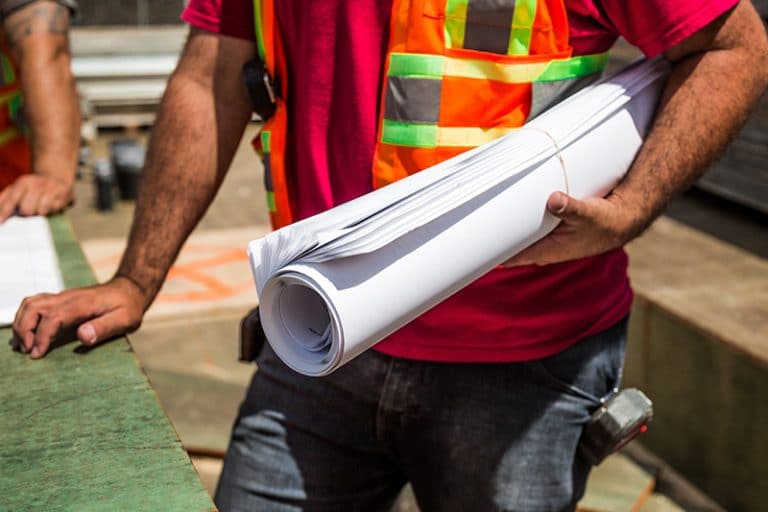
If you’ve ever been involved in a commercial construction project, you know that the relationship between your architect and contractor can make or break the entire experience. When these two parties work well together, projects tend to finish on time, stay on budget, and actually look like what you envisioned. When they don’t? That’s when you start hearing about change orders, delays, and costs spiraling out of control.
At Image Builders, we’ve seen both scenarios play out across hundreds of hospitality, medical, and retail construction projects throughout metro Denver. And we can tell you with confidence: the collaboration between architect and contractor isn’t just a nice-to-have. It’s the foundation of every successful build. In this text, we’ll break down why this relationship matters so much, what can go wrong when it’s neglected, and how the right general contractor can bridge the gap between design vision and construction reality.
Key Takeaways
- Early collaboration between architect and contractor prevents costly surprises and keeps commercial construction projects on budget.
- 94% of industry professionals agree that involving contractors early directly contributes to project success.
- Strong architect-contractor relationships improve timeline management by eliminating miscommunication and reducing delays.
- Traditional design-bid-build models often create adversarial dynamics—consider integrated approaches for better outcomes.
- Technology like BIM enhances collaboration, but trust and open communication remain essential for success.
- When selecting your project team, evaluate how architects and contractors will work together, not just their individual qualifications.
The Foundation of Successful Construction Projects
Think about it this way: your architect is focused on design, aesthetics, functionality, and meeting code requirements. Your contractor is focused on buildability, materials, labor, and getting the job done right. These are different skill sets with different priorities. But here’s the thing, they’re working toward the same goal. Your goal.
When architects and contractors collaborate early in a project, something important happens. The architect’s vision gets grounded in practical reality, and the contractor’s expertise helps shape a design that’s actually efficient to build. According to the American Institute of Architects, 94% of surveyed professionals said that involving contractors early in the project contributes directly to its success. That’s not a small number.
Early collaboration means fewer surprises down the road. It means the contractor can flag potential issues before they become expensive problems. It means the architect can adjust designs while changes are still just lines on paper rather than walls that need to be torn down.
For business owners planning a new hotel, medical facility, restaurant, or retail space in Denver, this early alignment is critical. You’re not just building a structure, you’re making a significant investment in your business. And that investment deserves a team that’s working together from day one, not figuring things out on the fly once construction starts.
Key Benefits of Strong Architect-Contractor Relationships
So what exactly do you get when your architect and contractor are actually communicating well? Let’s break it down.
Improved Project Efficiency and Timeline Management
Time is money in commercial construction. Every week your hotel isn’t open or your medical practice can’t see patients is revenue you’re losing. Strong collaboration between architect and contractor directly impacts your timeline in several ways.
First, when contractors have input during the design phase, they can identify construction sequences that make sense logistically. Maybe the architect designed something that looks great on paper but would require trades to work out of order, creating bottlenecks. A contractor who’s been part of the conversation can catch this early.
Second, real-time communication reduces the back-and-forth that slows projects down. Instead of formal RFIs (requests for information) that take days to resolve, collaborative teams can discuss challenges and make adjustments immediately. This keeps crews working instead of waiting.
We’ve found that projects where we’re involved from concept to completion simply move faster. Not because we cut corners, but because we eliminate the miscommunication that causes delays in the first place.
Cost Control and Budget Optimization
Here’s a reality check: most budget overruns in commercial construction come from changes made after construction has started. And many of those changes happen because someone didn’t catch an issue during the design phase.
When contractors are brought in early, they can provide realistic cost estimates based on actual market conditions, what materials cost right now, what labor availability looks like, what subcontractors are charging. This is different from an architect’s estimate, which is typically based on square footage and historical data.
Collaborative teams can also perform value engineering without sacrificing quality. Maybe there’s a more cost-effective material that achieves the same look. Maybe a slight design modification eliminates a complex structural requirement. These conversations happen naturally when architects and contractors are working as partners rather than in silos.
The result? Fewer surprises when bids come in. Fewer change orders during construction. And a final project cost that actually resembles what you budgeted.
Common Challenges That Hinder Collaboration
If collaboration is so beneficial, why doesn’t it happen more often? The truth is, the traditional construction model actually works against it.
In a conventional design-bid-build approach, the architect completes the design, then the owner solicits bids from contractors, and then construction begins. The contractor has no input on the design, they’re just building what’s on the drawings. This creates an inherently adversarial dynamic. The contractor is looking for ways the design is incomplete or unclear (which often means additional charges), while the architect is defending their work.
Late Contractor Involvement
This is probably the biggest issue we see. When contractors aren’t brought in until after design is complete, they inherit problems instead of preventing them. Designs that look good on paper but are difficult or expensive to build. Specifications that don’t match current material availability. Timelines that don’t account for lead times on specialized equipment.
Miscommunication and Unclear Expectations
Architects and contractors literally speak different languages sometimes. Design drawings communicate intent, but they don’t always capture every detail needed for construction. Without clear communication channels, assumptions get made. And assumptions lead to conflicts.
Competing Priorities
Architects are trained to prioritize design excellence. Contractors are trained to prioritize efficient execution. Neither is wrong, but without alignment, these priorities can clash. The architect wants a custom detail that will take extra time. The contractor wants to use a standard solution that’s faster. Without good collaboration, these disagreements become problems instead of opportunities for creative problem-solving.
Ego and Territory
Let’s be honest: sometimes it’s just about who’s in charge. Some architects don’t want contractors questioning their designs. Some contractors don’t want architects telling them how to build. This kind of territorial behavior hurts everyone, especially the project owner.
Strategies for Building Effective Communication
Good collaboration doesn’t happen by accident. It requires intentional effort and clear processes. Here’s what works.
Establish Communication Protocols Early
Before the first line is drawn, everyone should know how information will be shared. Who contacts whom about what? How quickly do questions need to be answered? What gets documented in writing versus discussed in meetings? These might seem like small details, but they prevent a lot of friction later.
Hold Regular Coordination Meetings
Scheduled check-ins keep everyone aligned. During design, this might be weekly meetings where the contractor reviews progress and flags concerns. During construction, it’s often daily or weekly coordination calls. The key is consistency, problems that fester for weeks are much harder to solve than problems caught early.
Document Everything
Verbal agreements are great until someone remembers them differently. Every decision, change, or clarification should be documented in writing. This isn’t about creating a paper trail for legal protection (though that’s a side benefit). It’s about making sure everyone is working from the same playbook.
Create a Culture of Problem-Solving
The best project teams approach challenges with a “how do we solve this together” mindset rather than a “whose fault is this” mindset. When an issue arises, and issues always arise, the focus should be on finding the best solution, not assigning blame.
At Image Builders, we believe that successful construction projects require open and honest communication on both sides. That means we’re not afraid to raise concerns early, and we expect the same transparency from architects and owners. When all issues are proactively addressed, you avoid the time delays and budget overruns that plague so many projects.
The Role of Technology in Enhancing Collaboration
Technology has transformed how architects and contractors work together. The biggest development in recent years is Building Information Modeling, or BIM.
What BIM Changes
BIM creates a shared digital model that everyone works from, architects, engineers, contractors, and subcontractors. Instead of passing 2D drawings back and forth and hoping everyone interprets them the same way, the team collaborates on a single 3D model that contains all the project information.
This has practical benefits:
- Clash detection: The software can identify where different building systems (HVAC ducts, electrical conduits, plumbing pipes) would conflict before anyone starts installation. Fixing clashes on a computer is much cheaper than fixing them on a job site.
- Visualization: Owners can actually see what their building will look like before construction starts. This reduces misunderstandings about design intent.
- Accurate quantities: Material takeoffs from a BIM model are more precise, which means better cost estimates and less waste.
- Real-time updates: When changes are made, everyone sees them immediately. No more working from outdated drawings.
Project Management Platforms
Beyond BIM, cloud-based project management tools have made coordination much easier. Documents, submittals, RFIs, and change orders can all be tracked in one place. Everyone has access to the latest information, and there’s a clear record of all communications.
The Human Element Still Matters
But here’s an important caveat: technology is a tool, not a replacement for good relationships. The best software in the world won’t help if the architect and contractor don’t trust each other or won’t pick up the phone when there’s a problem. Technology enhances collaboration, it doesn’t create it.
Real-World Impact on Project Outcomes
Let’s talk about what actually happens when collaboration works well, and when it doesn’t.
When Collaboration Works
Projects with strong architect-contractor collaboration consistently deliver better results:
- Fewer change orders (because issues are caught during design)
- On-time completion (because sequences are planned collaboratively)
- Budgets that hold (because estimates are realistic from the start)
- Higher quality finished products (because everyone understands the design intent)
- Less stress for owners (because they’re not constantly mediating disputes)
We’ve worked on medical construction projects where early collaboration identified code compliance issues that would have required expensive modifications if caught later. We’ve completed retail and restaurant buildouts faster because we were able to pre-order long-lead items while design was still being finalized. These aren’t dramatic stories, they’re just what happens when professionals work together effectively.
When Collaboration Fails
On the flip side, we’ve seen projects where lack of collaboration led to significant problems:
- Designs that couldn’t be built as drawn, requiring expensive redesign
- Cost estimates that were 30-40% below actual construction costs
- Schedules that slipped by months due to coordination failures
- Legal disputes between architects, contractors, and owners
The difference between these outcomes usually isn’t talent or resources. It’s whether the team was set up to work together from the beginning.
Choosing the Right Partners
For business owners, the takeaway is clear: when selecting your project team, don’t just evaluate architects and contractors separately. Consider how they’ll work together. Ask about their experience collaborating. Look for a general contractor who values transparency and wants to be involved early, not one who just wants to bid on completed drawings.
Conclusion
The collaboration between architect and contractor isn’t just an abstract ideal. It’s the practical foundation that determines whether your commercial construction project succeeds or struggles. When these professionals work as true partners, communicating openly, solving problems together, and aligning around your goals, good things happen. Projects stay on schedule. Budgets hold. And you end up with a building that actually matches what you envisioned.
At Image Builders, we’ve built our approach around this philosophy. Whether you’re planning a new hotel in downtown Denver, a medical facility in the suburbs, a restaurant buildout, or a retail tenant improvement, we want to collaborate with you and your architects and engineers from concept to completion. Our construction experts bring ideas to the table that enhance profitability, eliminate oversights, and get your project finished on time.
If you’re a business owner in metro Denver considering a commercial construction project, we’d love to talk about how we can work together. Reach out to Image Builders today and let’s discuss your vision. Because when everyone’s working toward the same goal, amazing outcomes are possible.
Frequently Asked Questions
Why is collaboration between architect and contractor important in construction?
Collaboration between architect and contractor ensures the design vision is grounded in practical reality. When both parties communicate early, contractors can flag potential issues before they become costly problems, leading to fewer change orders, on-time completion, and projects that stay on budget.
What happens when contractors are involved early in the design phase?
Early contractor involvement allows for realistic cost estimates based on current market conditions, identification of buildability issues, and value engineering opportunities. According to the American Institute of Architects, 94% of professionals say early contractor involvement directly contributes to project success.
How does BIM technology improve architect-contractor collaboration?
Building Information Modeling (BIM) creates a shared 3D digital model that all team members work from. It enables clash detection between building systems, accurate material quantities, real-time updates, and better visualization—reducing misunderstandings and costly on-site corrections.
What are the most common challenges that hinder architect-contractor collaboration?
Key challenges include late contractor involvement, miscommunication and unclear expectations, competing priorities between design excellence and efficient execution, and territorial behavior. The traditional design-bid-build model often creates adversarial dynamics that work against effective teamwork.
How can project owners encourage better communication between architects and contractors?
Owners should establish communication protocols early, require regular coordination meetings, ensure all decisions are documented, and foster a problem-solving culture. Selecting teams with proven collaboration experience and involving contractors during design—not just bidding—also helps.
What is the best project delivery method for architect-contractor collaboration?
Design-build and integrated project delivery methods typically foster better collaboration than traditional design-bid-build. These approaches involve the contractor during design, aligning all parties toward shared goals and reducing the adversarial dynamics that lead to disputes and budget overruns.